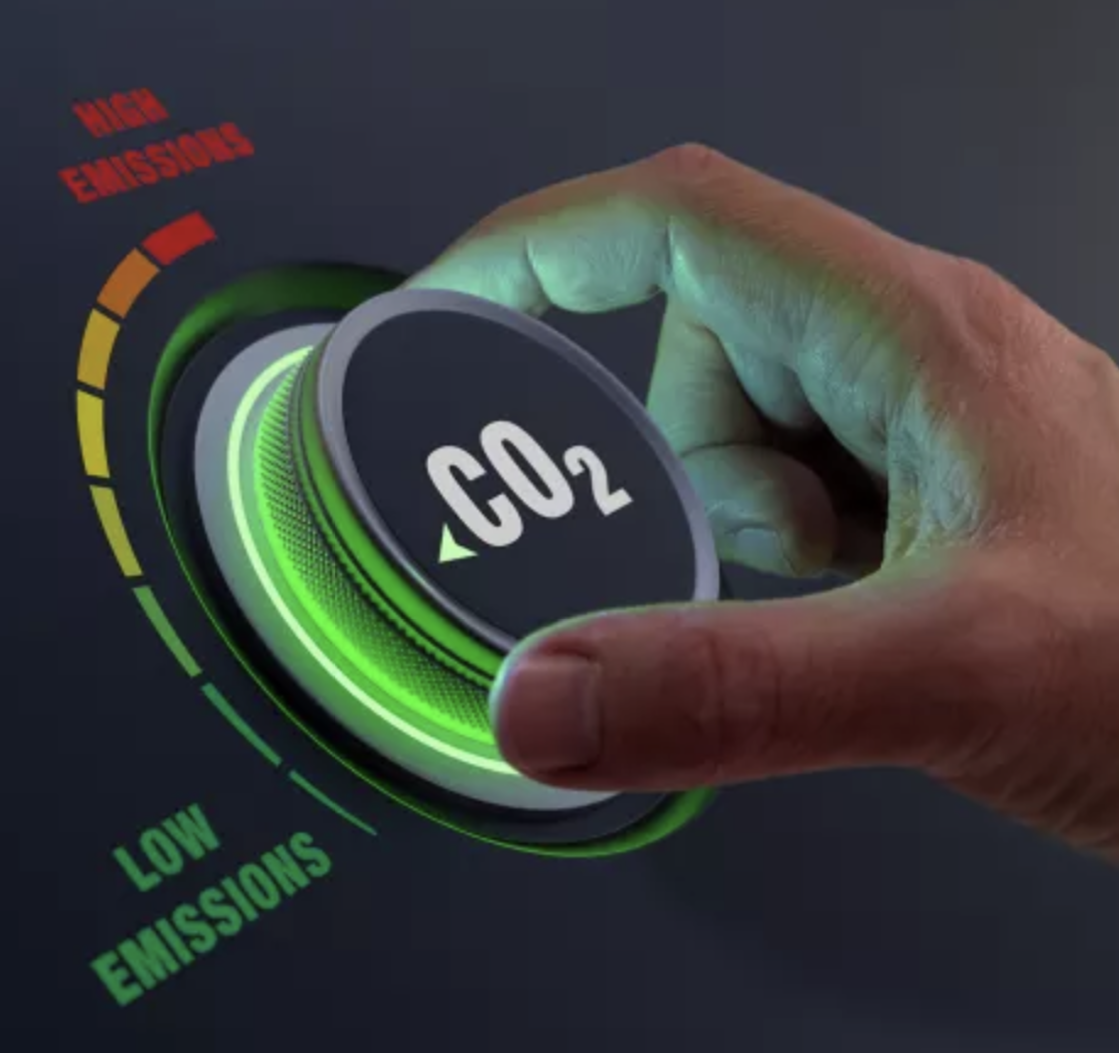
At Logistro Group Academia, our maritime decarbonization research is focused on reducing greenhouse gas (GHG) emissions and accelerating the transition to low- and zero-emission technologies. With the maritime sector accounting for approximately 3% of global emissions, our efforts are aligned with international climate commitments, including the International Maritime Organization’s (IMO) 2050 targets.
Our research prioritizes the evaluation of alternative fuels — such as hydrogen, ammonia, biofuels, and LNG — for their technical viability, scalability, and infrastructure readiness. We also explore advanced energy efficiency solutions, including hull optimization, wind-assisted propulsion, and AI-driven fuel management systems. To further reduce emissions, we are actively assessing port electrification, shore power solutions, and the onboard application of carbon capture and storage (CCS) technologies.
On the regulatory front, we provide in-depth analysis of carbon pricing mechanisms, emissions trading schemes, and financial incentives, with frameworks such as the EU Emissions Trading System (ETS) and the IMO’s Carbon Intensity Indicator (CII) informing future regulatory pathways. We also support the development of green shipping corridors, fostering international cooperation and investment to establish sustainable maritime trade routes.Looking ahead, Logistro Group is committed not only to advancing technological innovation and shaping regulatory frameworks but also to ensuring workforce readiness.
We actively support training and reskilling programs that equip maritime professionals with the competencies needed to operate emerging technologies, ensuring a just and inclusive transition that strengthens the industry’s long-term sustainability.
References:
Maritime Law, Policy and Governance: Understanding the Demand for Anchoring Outside the Jurisdiction
Maritime Law, Policy and Governance: Understanding the impacts of anchoring and related mitigation measures, technologies and practices

Maritime digitalization is transforming the global shipping industry by integrating advanced technologies to improve efficiency, safety, and sustainability. Our research targets innovations such as port community systems, autonomous vessels, blockchain for maritime logistics, digital twins, IoT applications, and cybersecurity.
Autonomous shipping represents a major shift, with ongoing research into AI-driven navigation, remote operations, and automated decision-making. Despite its potential, regulatory gaps and cybersecurity challenges require careful attention.
Blockchain is being explored for enhancing supply chain transparency, reducing fraud, and streamlining transactions through decentralized ledgers.
As digital infrastructure becomes more critical, cybersecurity remains a top concern. We focus on threats like GPS spoofing, hacking, and communication vulnerabilities, developing AI-based threat detection, encryption protocols, and standardized cybersecurity frameworks.
Going forward, our digitalization research will help shape a smarter maritime future by integrating AI, blockchain, and IoT into a secure, cohesive digital ecosystem.
References:
Article on the Palgrave Macmillan Autonomy Volumes 1 and 2, Smart Ports (2022).

Human factors research in the maritime sector explores how human behavior, decision-making, and well-being influence safety and operational efficiency. With over 75% of maritime accidents linked to human error, efforts focus on enhancing training, mental health support, and the integration of user-centered technologies.
Key areas include safety and error reduction, examining cognitive workload, fatigue, and situational awareness. Crew resource management (CRM) and simulation-based training are advancing to reduce navigation and operational mistakes. Seafarer well-being is also a priority, with research supporting mental health programs, structured rest, and improved onboard social interaction.
As automation grows, studies assess human-machine interaction to ensure technology supports, rather than diminishes, decision-making skills. Teamwork and leadership in multicultural crews are being strengthened through communication and leadership development programs.
Looking ahead, research will focus on balancing automation with human oversight, advancing mental health initiatives, and aligning workforce development with technological and regulatory changes.
The aim is to ensure innovation supports a resilient, skilled, and well-supported maritime workforce.
Research in maritime and port sectors is vital to improving governance, operational efficiency, safety, security, and environmental sustainability. Our focus includes enhancing regulatory frameworks, adopting smart technologies, and building resilient maritime infrastructure.
Governance studies examine the impact of international regulations (e.g., IMO), port privatization, and trade policies, emphasizing integrated strategies for sustainable growth. Efficiency research explores automation, big data, and smart port systems like Just-In-Time (JIT) shipping and Port Community Systems (PCS) to streamline cargo flow and cut costs.
Safety efforts aim to minimize human error through simulation training, advanced risk tools, and improved vessel traffic management. Security and cybersecurity research tackles piracy, cyberattacks, and system vulnerabilities with AI detection, blockchain logistics, and upgraded surveillance.
Environmental studies support green shipping corridors, alternative fuels (e.g., LNG, hydrogen), and waste reduction. Initiatives like shore power and eco-ship designs contribute to emissions goals.
Looking ahead, our research will deepen the integration of automation, AI, and green tech, while refining policies, risk frameworks, and workforce strategies to ensure a secure, efficient, and sustainable maritime future.
References:
Article on Springer regarding Canadian Ports Sustainability (2021).